Planning a Kenya safari from Malaysia, Singapore, or Brunei raises questions generic guides skip. When is wildlife viewing best, and how do school holidays, flights, halal food, and prayer facilities fit that calendar? The best time to visit Kenya for Malay speakers usually falls in the dry months, but your family’s schedule matters just as much as the weather.
What Is the Best Month to Visit Kenya for a Safari?
For most first-time visitors, July to September is the golden window. The grass is short, animals gather at water sources, and the wildebeest migration is in the Masai Mara.
January and February are also excellent. This short dry season runs hot in lower areas, but viewing stays reliable with good lodge availability outside the Christmas rush.
The table below shows the general quality of each month for wildlife viewing.
| Month | Season | Wildlife Viewing | Crowds | Notes |
|---|---|---|---|---|
| January | Dry | Excellent | Medium | Calving season in the southern Serengeti, good Mara resident game |
| February | Dry | Excellent | Medium | Warm, clear skies, low rain |
| March | Wet (short rains start late) | Good | Low | Rain increases late month, fewer travelers |
| April | Long rains | Fair | Very low | Many camps close, roads muddy, flights may change |
| May | Long rains | Fair to poor | Very low | Peak rain, some parks inaccessible |
| June | Dry start | Good to very good | Low to medium | Grass still tall, migration begins moving north |
| July | Dry | Excellent | High | Migration in the Mara, prime time |
| August | Dry | Excellent | Very high | Peak migration, peak prices |
| September | Dry | Excellent | High | Migration continues, quieter than August |
| October | Short rains start | Good to very good | Medium | Light showers, green landscapes |
| November | Short rains | Good | Low | Short rains, decent birding, lower prices |
| December | Rains taper | Good to very good | High | Festive season, green scenery, big crowds |
When Does the Wildebeest Migration Reach the Masai Mara?
The Great Migration is a year-round cycle, not a single event. The famous Mara River crossings usually happen between July and October, as herds move from Tanzania’s Serengeti into the Masai Mara. Crossings are unpredictable: you may see one in an hour, or wait three days.
For Malay families, the August and September window often falls within the Malaysian school break. But resident wildlife in the Mara is spectacular even in January or June. Read our complete guide to the Masai Mara for more on river crossings.
Is Kenya Safe for Muslim and Family Travelers?
Kenya welcomes many Muslim travelers each year. Coastal areas have a long Muslim heritage, and Nairobi has a network of mosques and halal restaurants.
Safety on the safari circuit is generally good. You stay in private conservancies and parks, with movement controlled by your driver-guide, and cities require the same caution as Kuala Lumpur or Singapore.
Kenya is also a common choice for multi-generational family trips. Camps offer children’s activities and family or interconnecting rooms; let your operator know your needs when you book.
Is Halal Food Available at Kenya Safari Camps and Lodges?
Yes, but ask in advance. Most mid-range and luxury camps can prepare halal meals, avoid pork, and ensure meat is slaughtered according to Islamic practice. Some have fully halal-certified kitchens, others arrange it with notice.
Also ask about prayer facilities. Many lodges have no mosque nearby, but can offer a quiet room or a clean space facing the qibla. Some operators carry a compass and prayer mat, though this is not guaranteed.
Are There Direct Flights from Kuala Lumpur or Singapore to Nairobi?
No. There are no direct flights from Kuala Lumpur, Singapore, or Brunei to Nairobi as of 2026. You will connect through a hub:
- Doha with Qatar Airways
- Dubai with Emirates or flydubai
- Istanbul with Turkish Airlines
- Abu Dhabi with Etihad
Total travel time from Kuala Lumpur runs about 13 to 16 hours plus a 2 to 5 hour layover. The Dubai leg takes about 5 hours, Doha about 5.5 hours. Book the overnight flight from Southeast Asia so you land in Nairobi in the morning, with time to rest before the safari starts.
Do Malaysian and Brunei Citizens Need a Visa for Kenya?
Yes. Malaysian and Bruneian passport holders need travel authorization for Kenya, as do Singapore citizens. Since 2024, Kenya has used an Electronic Travel Authorization (eTA) system in place of a traditional visa, though many travelers and sites still refer to it as an e-visa. You apply online, and the process takes a few days.
The application needs a passport photo, travel details, and proof of accommodation. Approval often arrives within a few days, but apply at least two weeks ahead. Double check current procedures on Kenya’s official eTA portal before booking flights.
How Much Does a Kenya Safari Cost in Malaysian Ringgit?
Costs vary widely. As a guide, a mid-range lodge safari in the Masai Mara runs RM 1,200 to RM 2,500 per person per night, including park fees, meals, and game drives. Luxury stays cost more; budget camping costs less but adds travel time.
For a family of four over 7 nights, expect roughly RM 35,000 to RM 70,000 for the safari portion. Add about RM 3,000 to RM 4,500 per person for return flights from Kuala Lumpur. These are indicative ranges, since fees and exchange rates change.
For a full breakdown, see our Kenya safari cost guide.
Is December a Good Time to Visit Kenya Given Malaysian School Holidays?
December is mixed. Short rains usually taper by mid-month, the landscape turns green, and many animals have young, which makes for lovely sightings. The migration is back in Tanzania, but the Mara still has strong resident herds.
The downside is crowds: Christmas and New Year are peak season, lodges fill fast, and prices peak too. If your holiday is fixed in December, book 6 to 9 months ahead.
Malaysian school holidays also fall in June and July, a window with good weather and lower crowds than August.
Which Kenya Parks Are Best for First-Time Visitors?
First-time safari goers should focus on two or three parks. A common combination:
- Masai Mara: big cats, vast plains, the migration
- Amboseli: elephants against Mount Kilimanjaro
- Lake Nakuru: rhinos and flamingos
The Mara is the anchor, Amboseli adds little travel time, and Lake Nakuru sits between the two. For a quieter option, consider Samburu, with a different ecosystem and species like the Grevy’s zebra. See our Samburu safari guide.
What Is the Rainy Season Like in Kenya and Should It Be Avoided?
Kenya has two rainy seasons: long rains from April to May, and short rains from October to December. Short rains are lighter and rarely disrupt drives, while long rains can turn roads to mud and close some camps.
For the best wildlife viewing, avoid April and May. For lower prices and the occasional shower, November is a good compromise. Photographers often like the rains, since clouds add drama and greenery is stunning, and birdwatchers see migratory species during these months.
Which Activities Are Best in Each Season?
Dry season (June to October, January to February):
- Game drives with clear visibility
- River crossings in the Mara
- Hot air balloon safaris
- Walking safaris in conservancies
Wet season (November, March):
- Birdwatching, with over 1,000 species recorded
- Photography with dramatic skies
- Lower lodge rates
- Newborn animals and predators hunting
Year-round:
- Cultural visits to Maasai villages
- Lake Naivasha boat rides
- Coffee farm tours near Nairobi
For a beach add-on, the coast stays warm year-round, since long rains mainly affect the highlands. Read our Diani Beach guide for timing.
How Should Malay Speakers Handle the First Trip to Kenya?
Start with a clear plan. Set dates around school holidays, check the eTA timeline, and book flights to arrive one night before the safari begins so you can recover from jet lag.
Pack layers. Nairobi sits at 1,800 meters, so mornings turn cold even in the dry season, and open game drive vehicles add wind chill.
Pack familiar snacks too. Camps serve international cuisine, but dried mango, nuts, and instant noodles cover the gap. Discuss halal needs with the camp chef before arrival.
For prayer, download a qibla app and carry a small compass. Ask your guide to stop at a suitable spot for midday and afternoon prayers.
How Many Days Do You Need for a First Kenya Safari?
Seven days is a comfortable minimum: three nights in the Masai Mara, two in Amboseli, plus a travel day and a day in Nairobi. Adding Samburu or Lake Nakuru enriches a longer trip, and ten to twelve days allow a relaxed pace with a coast add-on at the end. For families with young children, six days works but feels busier.
See our advice on how many days you need in the Masai Mara before finalizing your itinerary.
Does the Best Time Change for Families with Young Children?
Yes. Young children struggle with long game drives and need breaks. For children under six, consider the cooler months of June, July, and August. Mild temperatures, shorter days, and midday lodge breaks suit naps and pool time.
Avoid the Christmas rush with very young kids, since camps get busier and the pace picks up. The shoulder months of June and September offer a calmer experience, and many conservancies allow off-road driving and night drives not permitted in national parks. For a deeper comparison, read Masai Mara vs Amboseli.
What About the Regional Climate Differences?
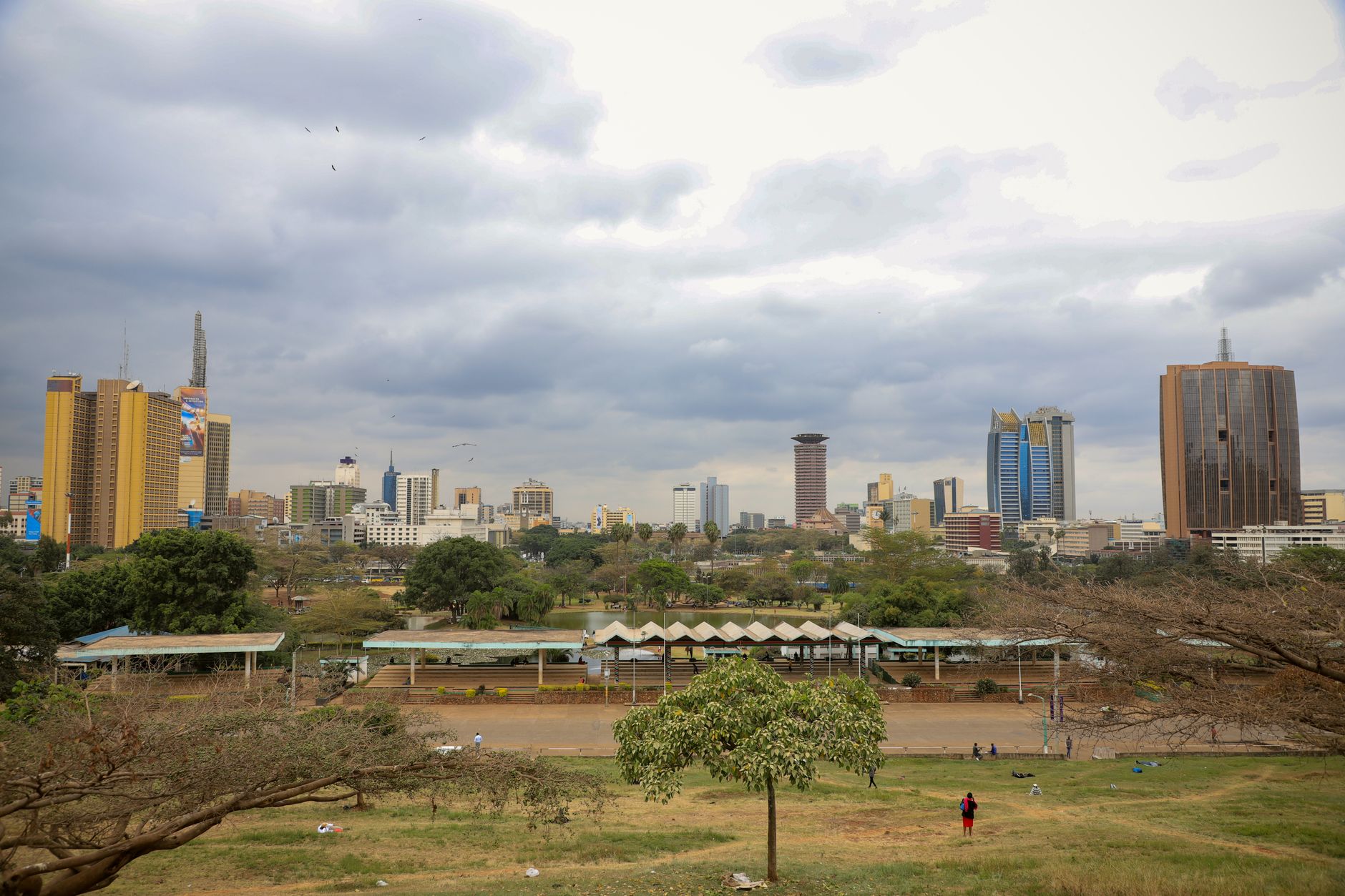
Kenya’s climate varies by altitude. Nairobi is cool at 1,800 meters, the Masai Mara sits at 1,500 meters and stays mild, Amboseli is lower and hotter, and the coast is tropical and humid year-round.
Dry season brings hot afternoons and cool nights; wet season can turn the highlands chilly. Weather is most stable from July to September, most variable from April to May. For Malay speakers used to constant humidity, these swings deserve attention: drink water, use sunscreen, and wear a hat.
What Is the Best Time to Visit Kenya for Malay Speakers?
The honest answer depends on your constraints. With a free schedule, book late June to early July or September for dry weather, lower crowds than August, and good value.
If you must travel during Malaysian school holidays, use the December break but book early, or check the March school break for decent weather and low crowds.
If halal food and prayer facilities matter most, choose a camp that confirms these services in writing; the dry season offers no advantage here, since this is about the lodge, not the month.
If budget matters most, avoid July to September and Christmas. Travel in November or March instead, when rates often run 20 to 30 percent below peak season and the parks stay quiet.
Start with the best time to visit Masai Mara for that park, then read Kenya safari planning for Indonesian speakers for more tips for Malay travelers.
Ready to Compare Safari Operators and Browse Packages?
Once you know your dates and style, the last step is choosing an operator. Compare vetted options side by side and check what is included in park fees, meals, and internal flights.
Where Can You Find More Safari Planning Resources?
- Best time to visit Kenya from Trunktrails Safaris
- Best time to visit Kenya month-by-month map from Valley Safaris
- Great Migration safari collection on FindMySafari
- Masai Mara Great Migration guide from Trunktrails Safaris
Use FindMySafari to compare vetted options, or browse packages from Valley Safaris and Trunktrails Safaris. These platforms list real trips with transparent pricing.